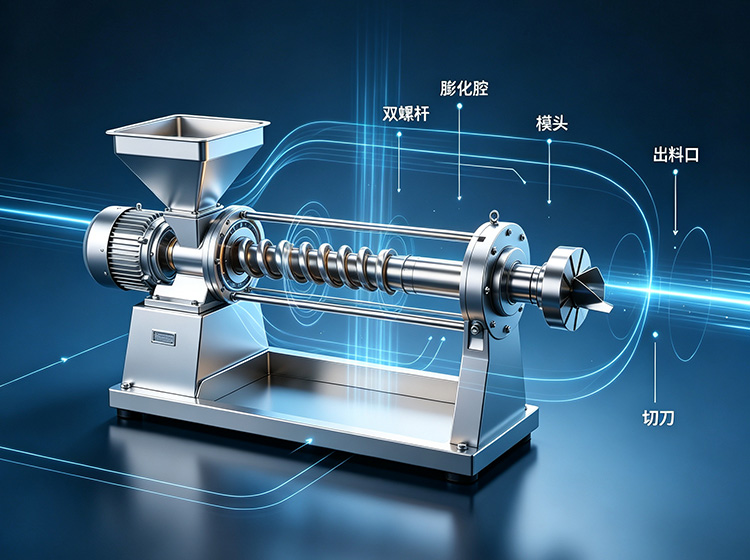
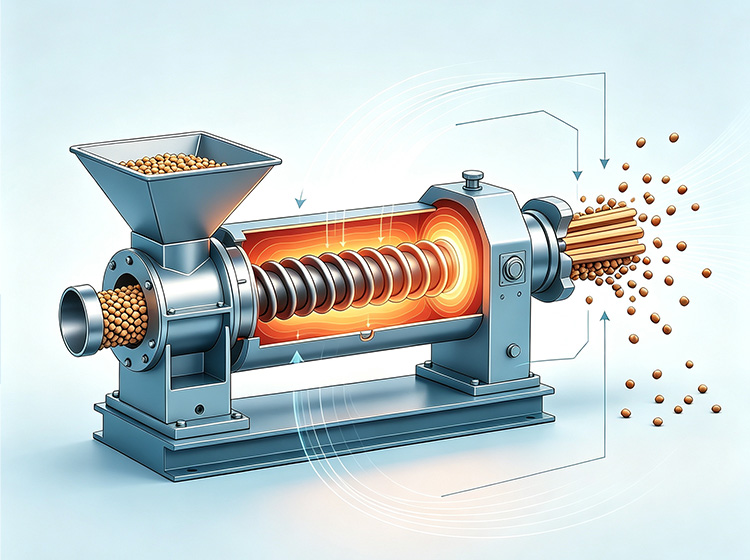
Processing Characteristics of Twin-Screw Extrusion Puffing Machine

Published:2026-07-18

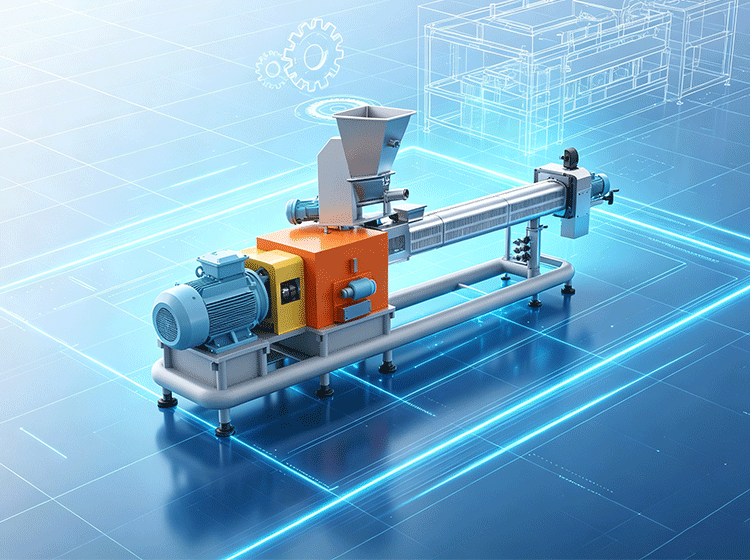
The processing characteristics of twin-screw extruders involve issues related to the process, equipment selection, or operational management of food processing and production equipment.The actual solution should be confirmed based on raw material characteristics, target product specifications, production scale, and on-site conditions, and should not be determined solely by the parameters of a single piece of equipment.

Key Points on the Processing Characteristics of Twin-Screw Extruders

Wide range of applications

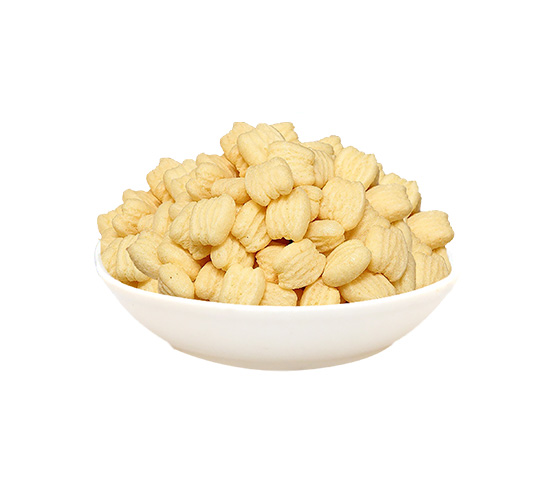
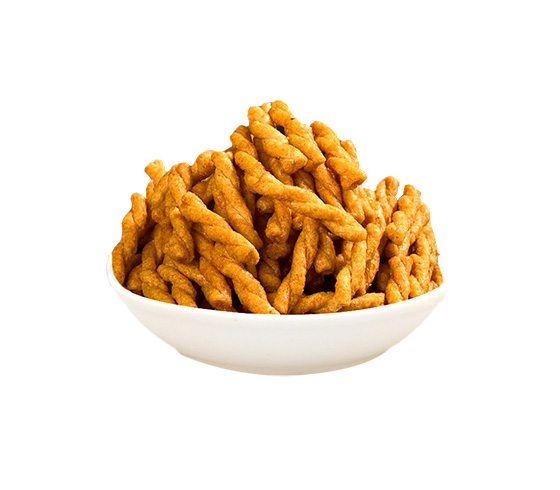
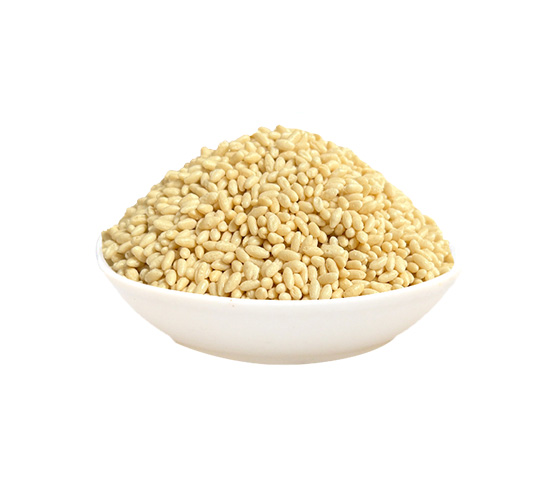
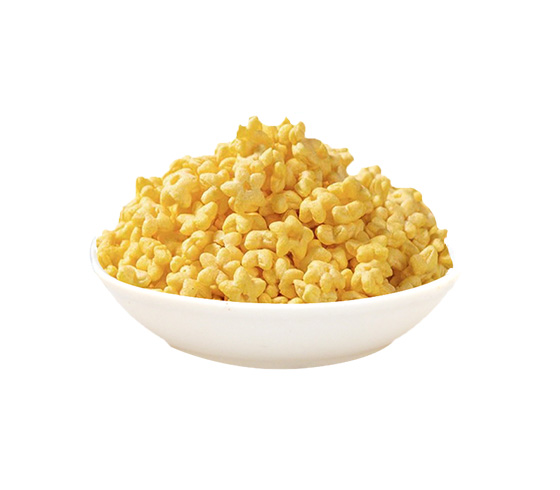
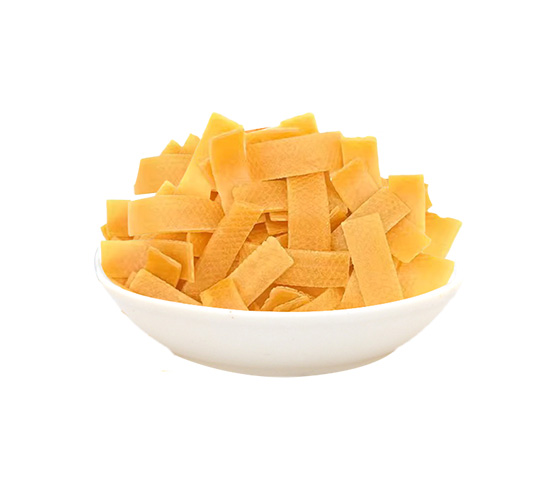
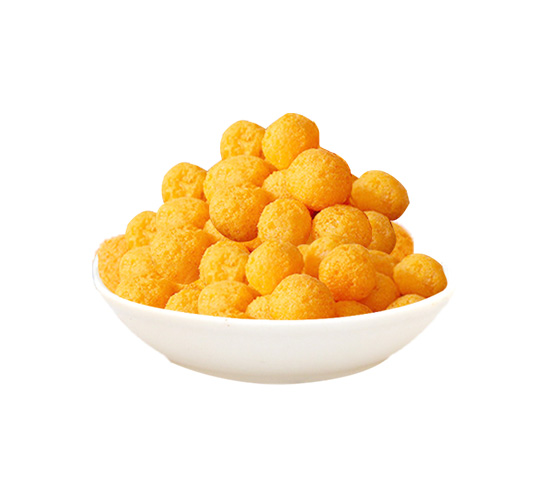
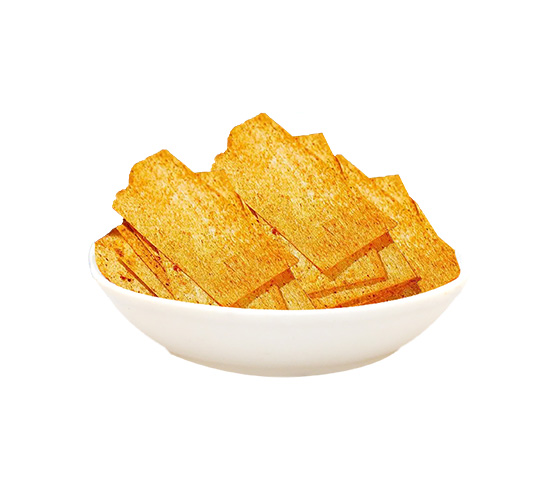
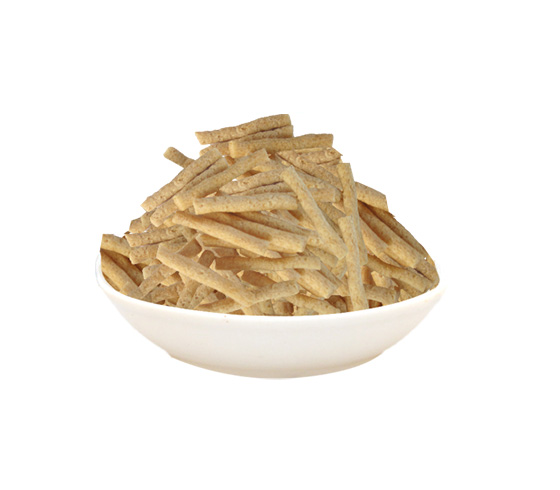
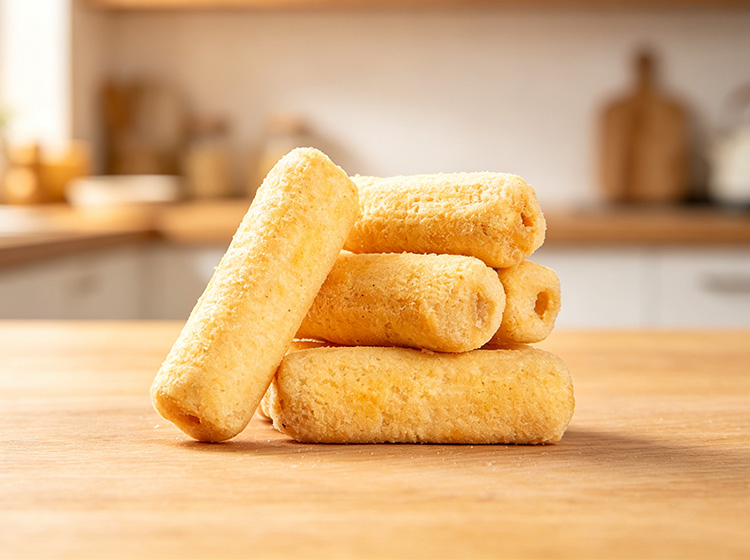
Extrusion puffing machinery can process a wide variety of puffed foods and is suitable for numerous food processing applications, including snack foods, ready-to-eat cereal products, instant foods, and soy-based products.By simply changing the molds, you can alter the product shape to produce items with different forms and patterns.Therefore, the broad product range, diverse varieties, and rich designs facilitate the development of series products, enhancing flexibility in production and marketing.

High production efficiency

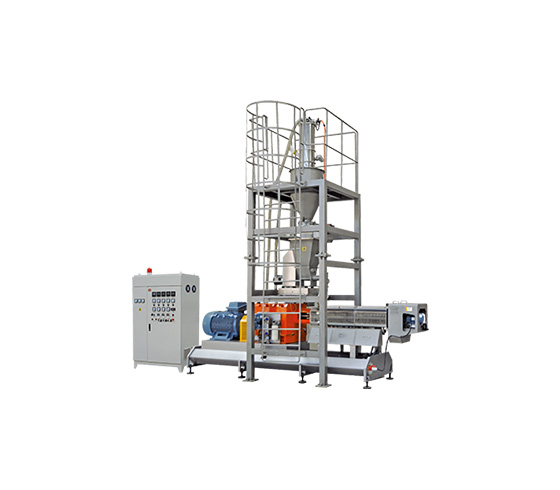
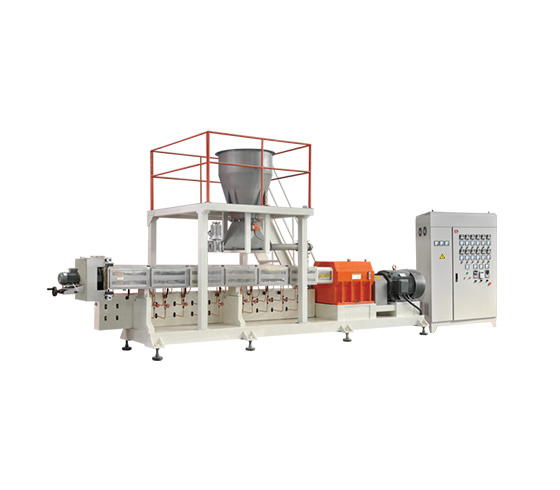
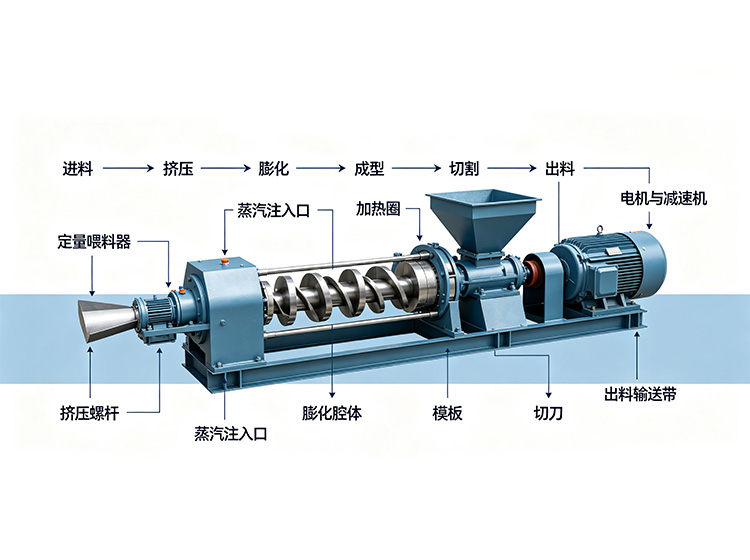
Extrusion puffing integrates feeding, conveying, processing, and shaping into a single system, enabling continuous production and thus achieving high efficiency.

High raw material utilization rate, pollution-free

Extrusion puffing processing is carried out in a closed container.During equipment operation, except for minor raw material loss during startup and shutdown, there is generally no raw material waste, nor does the discharge of exhaust gas and wastewater cause environmental pollution.

Minimal Nutrient Loss

Since extrusion puffing is a high-temperature, short-time processing method, the nutritional components in food are hardly damaged. Although the appearance may change, the internal molecular structure and properties are improved.This results in minimal nutrient loss and improved digestibility and absorption.

Good taste, convenient to eat

Grains contain high levels of dietary fiber, vitamins, and trace elements such as calcium and phosphorus.After extrusion puffing of the grains, these components are fully gelatinized, improving the texture.The textural changes induced by extrusion result in a product that is light, porous, and possesses a distinctive roasted aroma, making it highly convenient for direct consumption or reconstitution with water.

Resistant to retrogradation, easy to store

During the extrusion puffing process, the material undergoes intense extrusion, shear, friction, and heating, and then instantly transitions from a high-temperature, high-pressure state to atmospheric pressure, resulting in instantaneous “flash evaporation.” Consequently, the phenomenon of “retrogradation” is unlikely to occur.From raw materials to finished products, the production process is simple, the production line is short, there is virtually no pollution, and the moisture content of the extruded products is low.This condition is also unfavorable for the growth and reproduction of microorganisms. With proper storage methods, the product can be preserved for extended periods.

What conditions should be considered during implementation or selection?

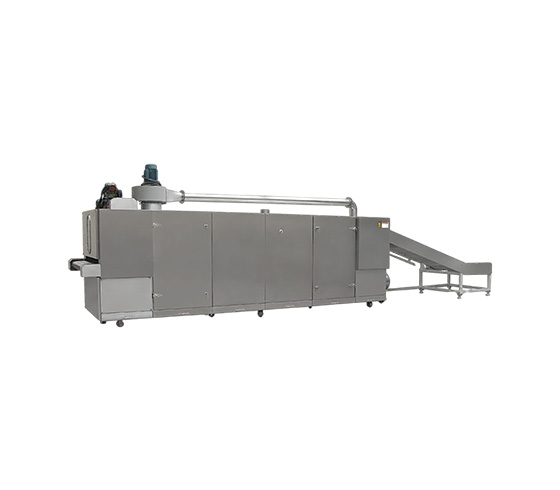
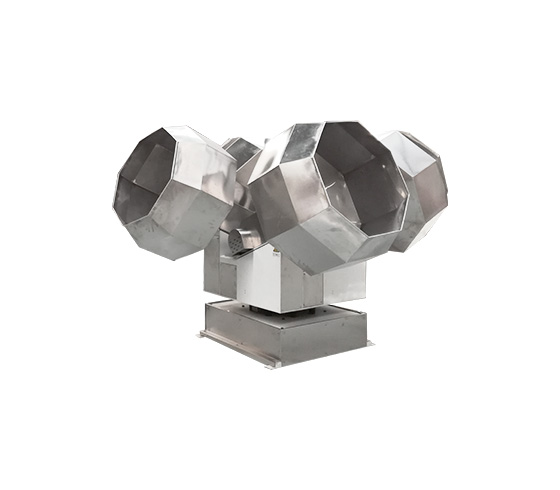
First, it is essential to clarify the product type, raw material state, formulation direction, and expected finished product requirements.For projects involving extrusion, forming, drying, frying, conveying, seasoning, or packaging, the processing capacity and cycle time of each stage must be matched to avoid discrepancies between individual equipment capacity and the overall line requirements.

Secondly, the installation plan should be evaluated in conjunction with the workshop's spatial layout and utility conditions, including power supply, water supply, steam, or gas.Equipment configuration should also take into account long-term operational factors such as cleaning, maintenance, safety protection, spare parts supply, and operator training.Any process or equipment capabilities mentioned in this document are for reference only in the context of solution discussions and preliminary assessments.Specific model numbers, power ratings, production capacities, temperatures, and times shall be subject to the official technical proposal and the results of trial runs or on-site verification.

Frequently Asked Questions

Can the equipment be determined directly based on the standard configuration?

Not recommended.The equipment configuration is influenced by different raw materials, product structures, target production capacities, and downstream processes.It is more prudent to confirm the product and process conditions before proceeding with the configuration assessment.

How to obtain more targeted advice?

It is recommended to prepare product images or sample information, raw material and formulation guidelines, target production capacity, existing workshop conditions, and planned downstream equipment configurations.Dayi Machinery can further discuss the applicable process routes and equipment configuration options based on this.

This article is compiled based on the document "Processing Characteristics of Twin-Screw Extrusion Puffing Machine" provided by Dayi Machinery, with the aim of helping readers understand the relevant topics.For technical requirements related to specific projects, please refer to the actual product documentation and engineering confirmation results.