Equipment for Corn Flake Production Lines

Published:2026-07-18

The corn flake food production line involves various equipment, addressing issues related to the process, selection, or operational management of food processing and production equipment.The actual solution should be confirmed based on raw material characteristics, target product specifications, production scale, and on-site conditions, and should not be determined solely by single equipment parameters.

Key Points of Core Equipment in Corn Flakes Food Production Lines

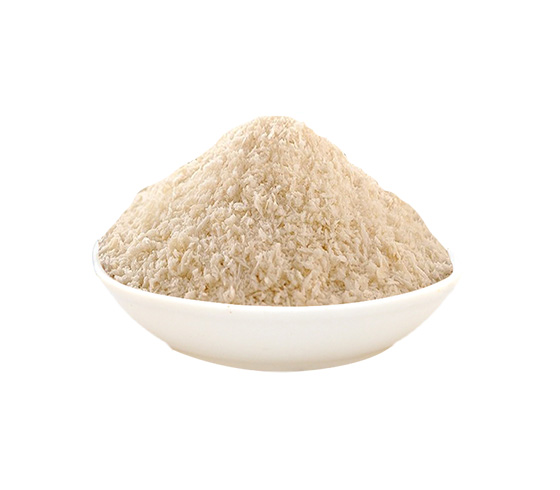
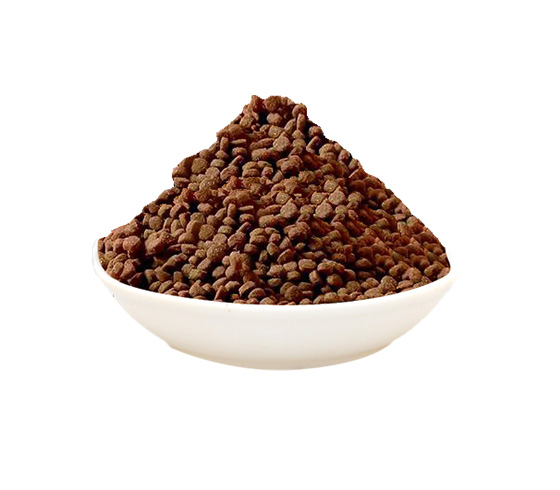
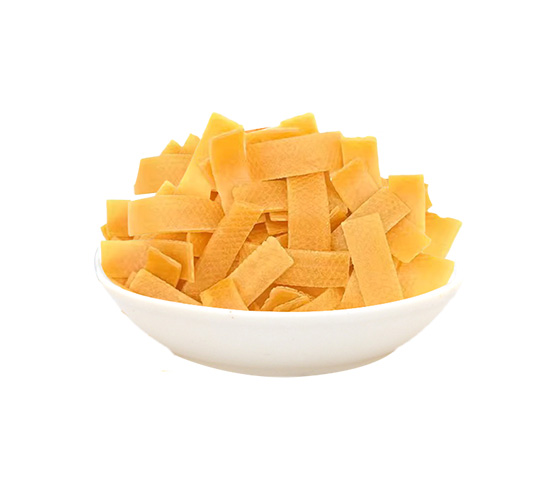
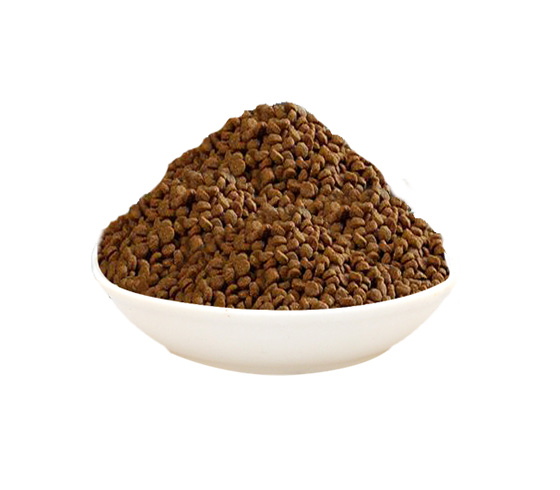
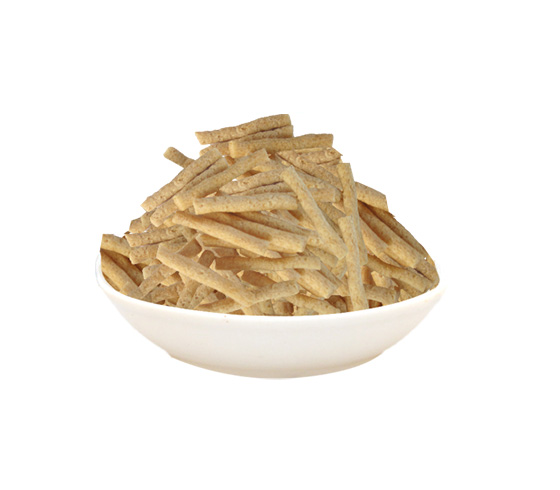
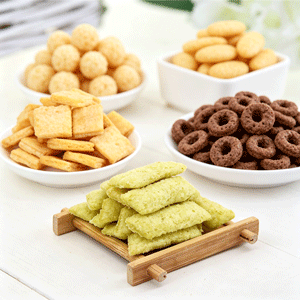
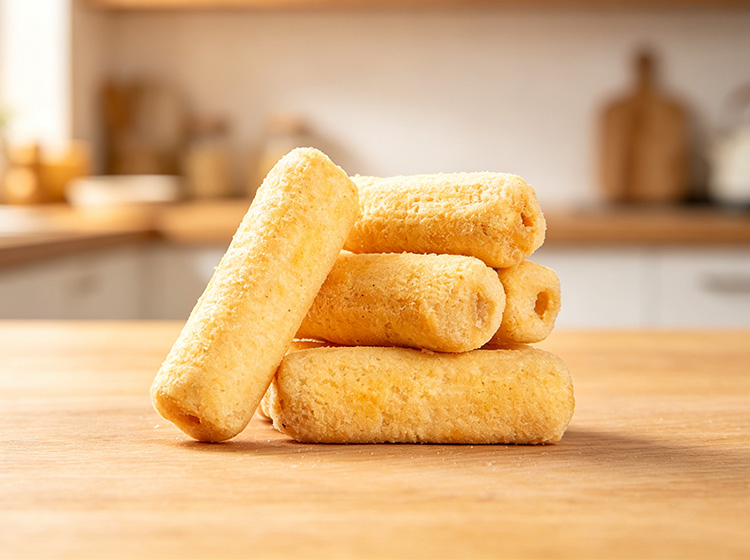
Corn flakes are a food product characterized by a crispy texture, excellent rehydration properties, resistance to disintegration during brewing, a smooth mouthfeel, and a rich cereal flavor.Its main raw material is corn flour, with added sugar, various vitamins, minerals, and other mixed auxiliary ingredients. The product is made into thin sheets through thorough kneading with water, gelatinization, shaping, pressing into tablets, and baking with seasoning.

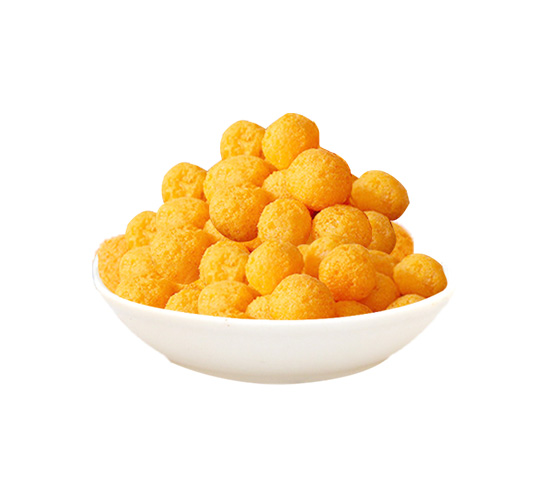
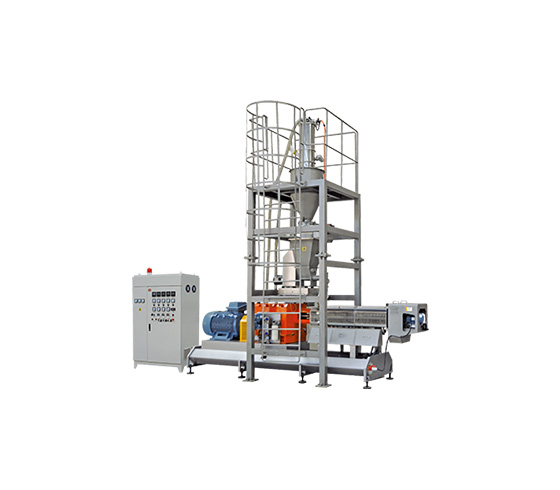
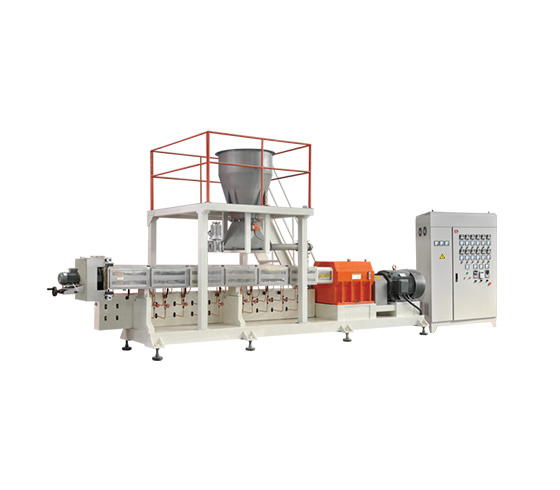
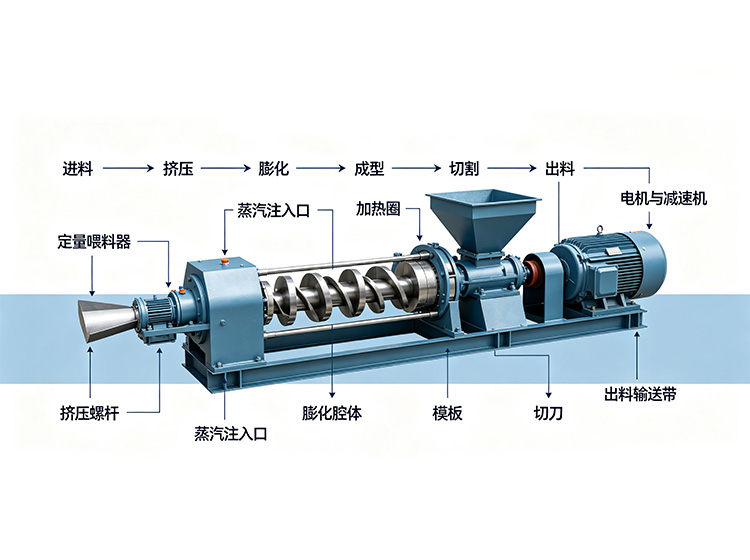
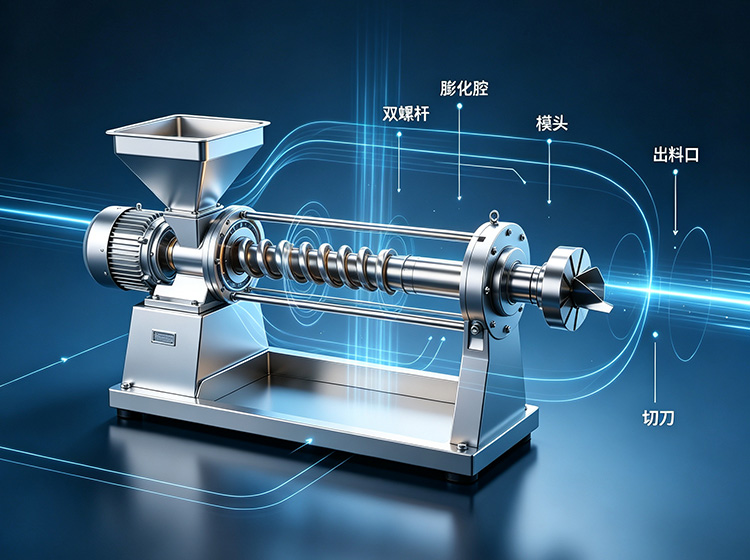
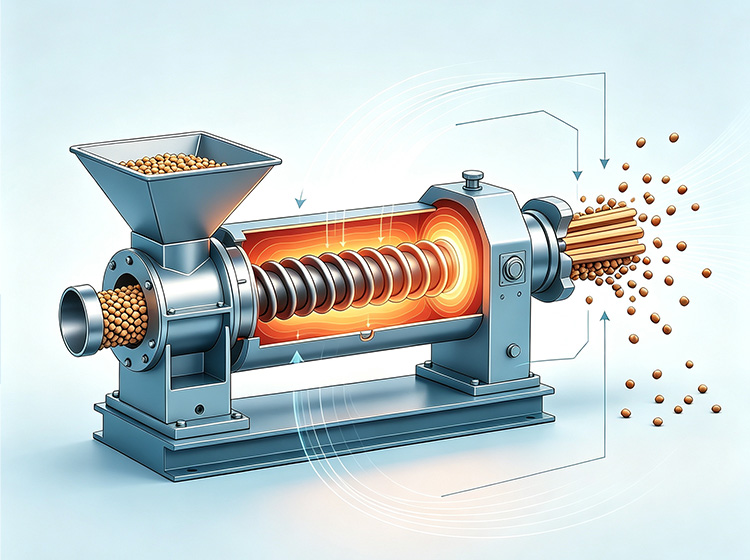
The extruded corn flake processing equipment employs a twin-screw extruder. Its working principle is that under high temperature and high pressure, the moisture inside the corn kernels continuously absorbs energy and vaporizes, forcing its way into the interior of the corn molecules for infiltration and shearing.Before entering the homogenization section, the cornmeal gradually transitions from a solid state to a viscous flow state.Zein molecules, which exhibit viscoelastic properties, undergo continuous protein denaturation and are subjected to continuous extrusion in the homogenization section.When the temperature drops sharply, the water molecules within the extruded protein molecules rapidly expand and vaporize, causing the surrounding material to puff up and thereby completing the final denaturation process.Ultimately, the material forms a loose substance with a rich microporous structure: after extrusion puffing, the corn balls are naturally cooled and then rolled into corn flakes.

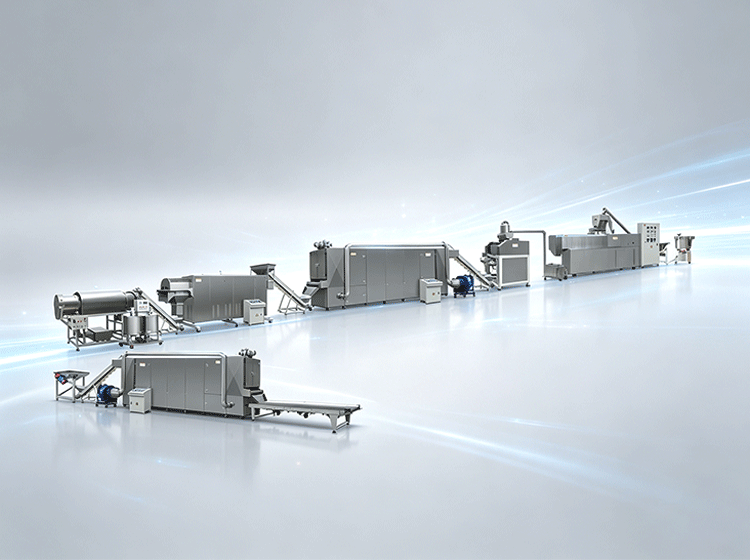
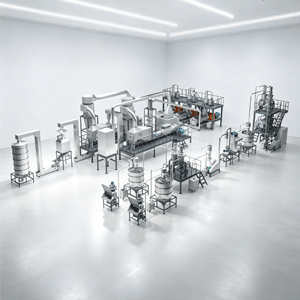
The corn flake production line consists of a dough mixer, screw conveyor, twin-screw extrusion puffing machine, vibrating cooler, pneumatic conveying system, flake press, elevator, oven, sugar spraying machine, cooling equipment, and packaging machine.

Mixing Machine: Uniformly blends raw materials, additives, water, and other ingredients at a moderate speed.

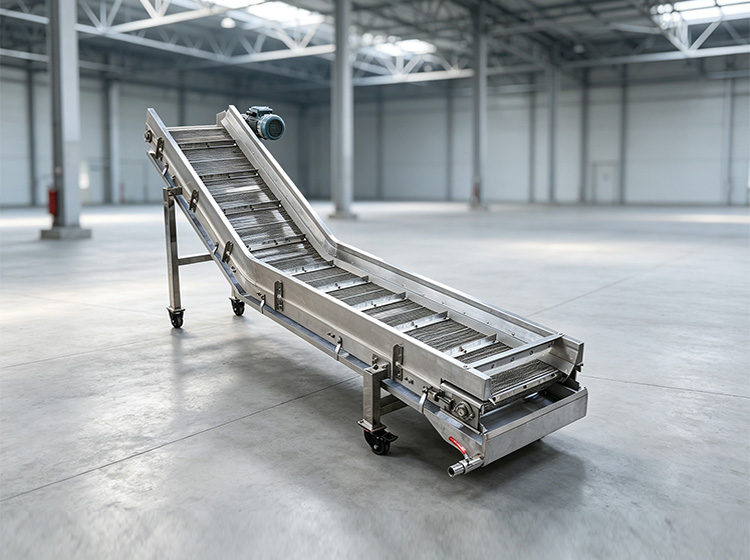
Screw conveyor: Utilizes a screw mechanism to elevate raw materials to the feeder of the twin-screw main unit.

Twin-screw extrusion puffing machine: This equipment consists of a feeding system, an extrusion system, a cutting system, a heating system, a transmission system, and a control system.Utilizes advanced screw extrusion technology to simultaneously cook and extrude the material under high temperature and high pressure in a single step.The main unit employs variable frequency speed control to ensure stable production processes.

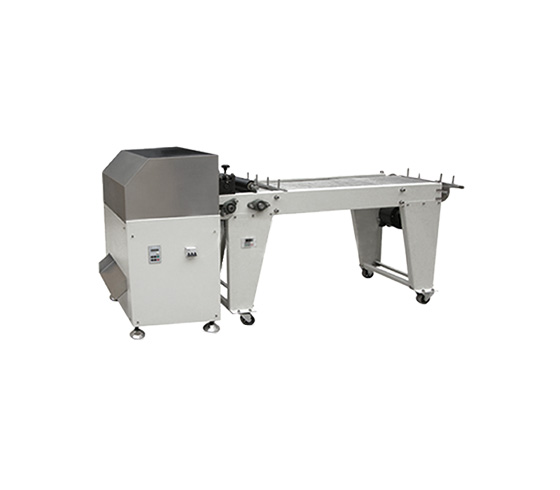
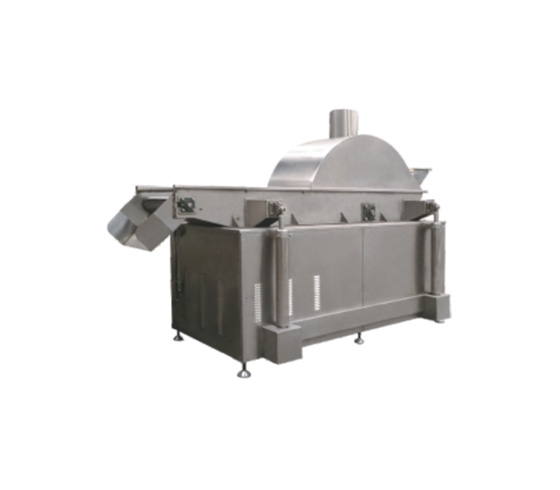
Vibrating Cooler: Used for the initial cooling of products and to evenly distribute and convey the output from the previous process to the next equipment.

Pneumatic conveyor: Used to transport puffed food products to the next piece of equipment.

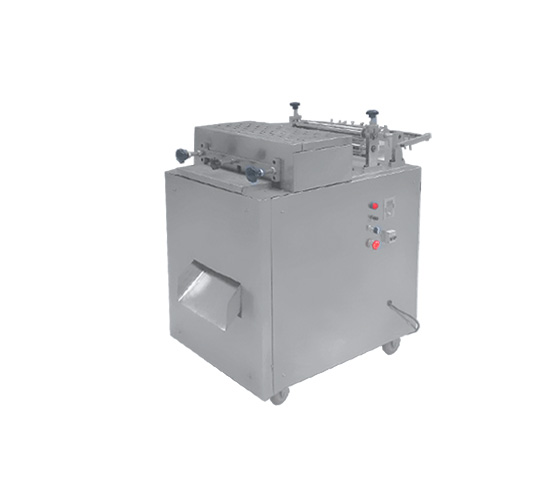
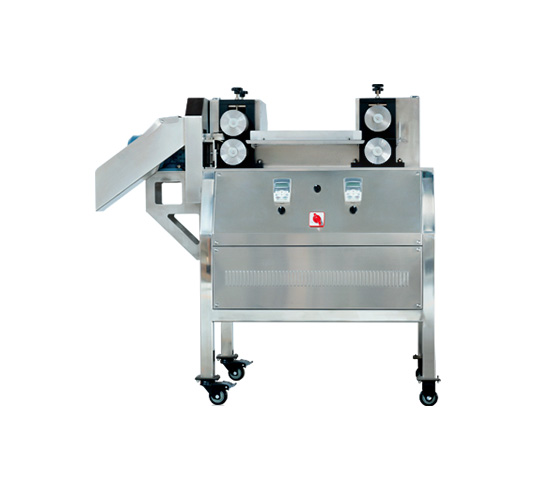
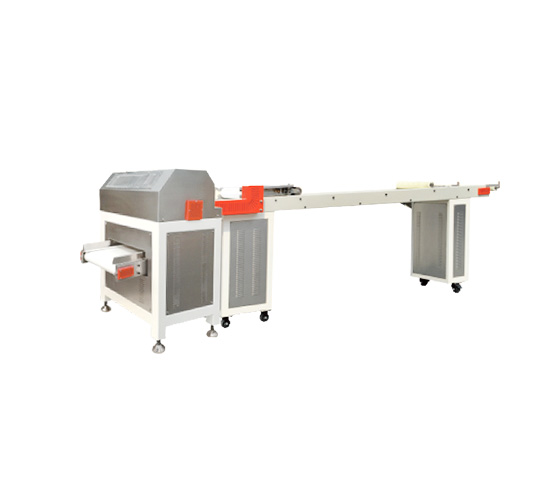
Tablet Press: Used to compress semi-finished products into tablet-shaped products.

Elevator: Used to lift products into the oven.

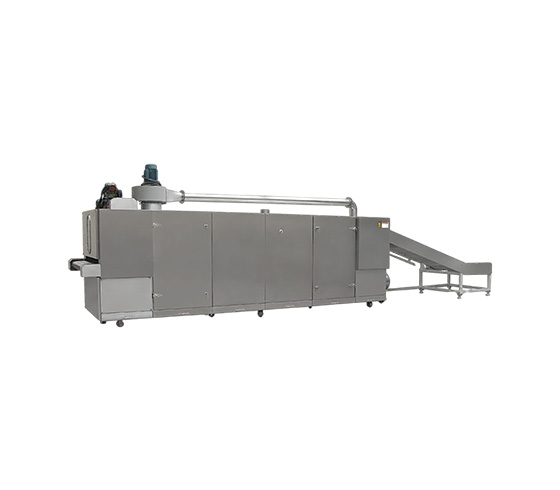
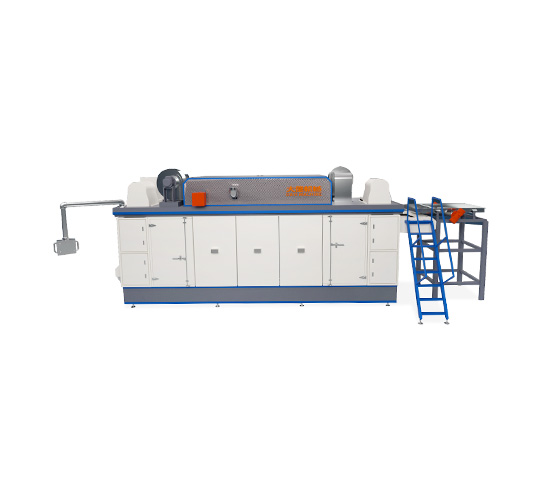
Oven: Used for drying and dehydration of semi-finished products.Adopting a belt dryer, the chamber is equipped with a certain number of electric heating devices for drying, making it the most commonly used drying and dehydration equipment for extruded puffing products.

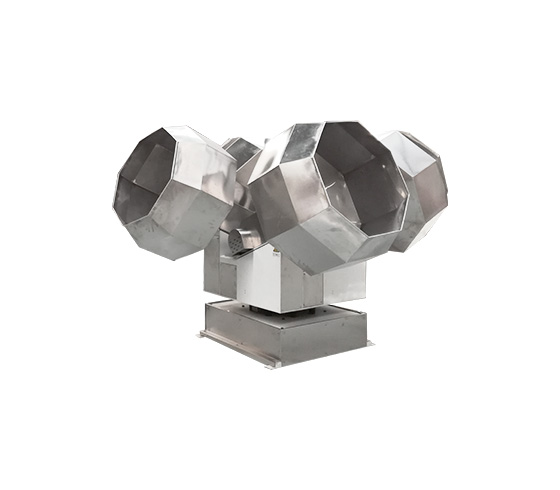
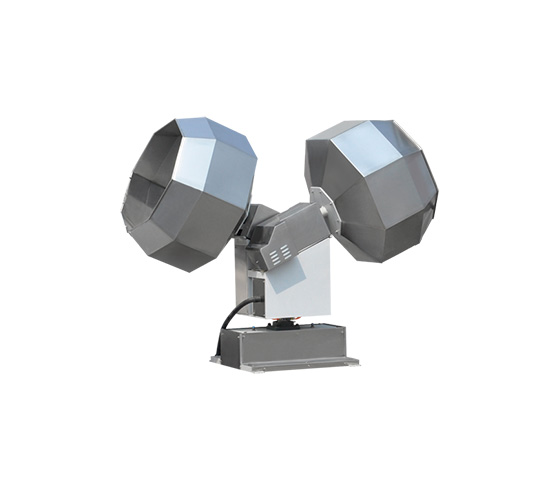
Sugar Sprayer: Used to adjust product flavor.The front roller is used for seasoning, while the rear roller is used for oil spraying, achieving a separation of seasoning and oil spraying operations, which significantly enhances the seasoning quality of the product.

What conditions should be considered during implementation or selection?

First, it is essential to clarify the product type, raw material state, formulation direction, and expected finished product requirements.For projects involving extrusion, forming, drying, frying, conveying, seasoning, or packaging, the processing capacity and cycle time of each stage must be matched to avoid discrepancies between individual equipment capacity and the overall line requirements.

Secondly, the installation plan should be evaluated in conjunction with the workshop's spatial layout and utility conditions, including power supply, water supply, steam, or gas.Equipment configuration should also take into account long-term operational factors such as cleaning, maintenance, safety protection, spare parts supply, and operator training.Any process or equipment capabilities mentioned in this document are for reference only in the context of solution discussions and preliminary assessments.Specific model numbers, power ratings, production capacities, temperatures, and times shall be subject to the formal technical proposal and the results of trial runs or on-site verification.

Frequently Asked Questions

Can the equipment be determined directly based on the standard configuration?

Not recommended.Different raw materials, product structures, target production capacities, and downstream processes can affect the equipment configuration.It is more prudent to confirm the product and process conditions before proceeding with the configuration assessment.

How to obtain more targeted advice?

It is recommended to prepare product images or sample information, raw material and formulation guidelines, target production capacity, existing workshop conditions, and planned downstream equipment configurations.Dayi Machinery can further discuss the applicable process routes and equipment configuration options based on this.

This article is compiled based on the "Various Equipment for Corn Flake Food Production Lines" document provided by Dayi Machinery, with the aim of helping readers understand the relevant topics.For technical requirements related to specific projects, please refer to the actual product documentation and engineering confirmation results.