Pre-Treatment Operations for Vegetable Processing Lines

Published:2026-07-18

The pre-processing operations of vegetable processing production lines involve process, equipment selection, or operational management issues related to food processing and production equipment.The actual solution should be confirmed based on raw material characteristics, target product specifications, production scale, and on-site conditions, and should not be determined solely by single equipment parameters.

Key Points for Preprocessing Operations in Vegetable Processing Production Lines

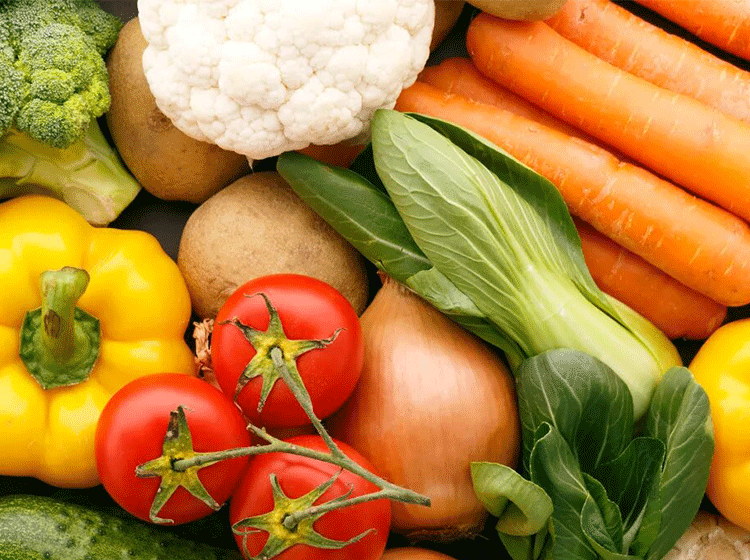
Vegetable processing production lines are a key measure to address the imbalance between oversupply during peak seasons and shortages during off-seasons, enhance the commercial value of vegetables, increase farmers' income, and play a significant role in stabilizing vegetable production and revitalizing the rural economy.Many vegetables have high water content, are not suitable for long-term storage, and are prone to spoilage, which can result in significant economic losses.Pre-treatment of raw materials is required before vegetable processing.

Pre-treatment includes processes such as raw material selection, grading, washing, peeling, blanching, cooling, packaging, and sulfur treatment.

Selection and grading of raw materials: All raw materials must be carefully selected and graded before being put into production. Substandard materials, such as those that are moldy, infested with pests, deformed, severely mechanically damaged, too old or too tender, mixed with other varieties, or discolored, must be removed, along with any impurities.

Raw Material Washing: Removes mud, dust, a large number of microorganisms, and some residual chemical pesticides from the surface of vegetables, thereby ensuring product cleanliness.

Different cleaning methods should be adopted based on the varying degrees of contamination, pressure resistance, abrasion resistance, and surface conditions of different types of vegetables.The following introduces several types of cleaning equipment:

(1) Cleaning tank.The raw materials are placed in the tank, soaked first, and then brushed or rinsed with high-pressure water.The equipment has a simple structure and is suitable for various types of vegetables, but it involves high labor intensity, low efficiency, and high water consumption.

(2) Drum washing machine.The main component is a grid-wall rotary drum, mounted on the frame at an angle of approximately 3° to the horizontal plane.The interior of the drum is equipped with a high-pressure water spray system, with a spray pressure of (3.309 ~ 4.052)×10⁵ Pa.The raw materials enter the drum from one end via a chute, move toward the outlet as the drum rotates and they rub against the grid bars, while being thoroughly cleaned.This machine is suitable for raw materials that are relatively hard and whose surfaces are not susceptible to mechanical damage.

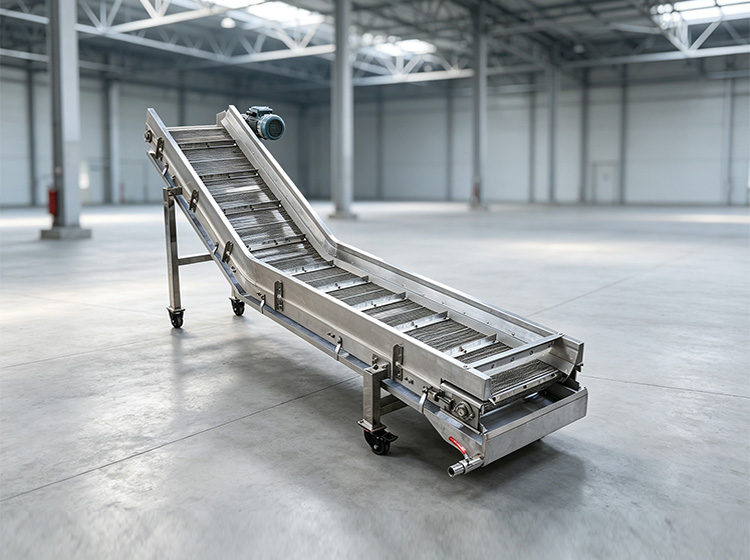
(3) Spray-type washing machine.The spray device is installed above or below the cleaning unit. The raw material moves slowly forward on continuously rotating rollers or other conveyor belts and is rinsed with high-pressure water.The effectiveness of spray washing is related to water pressure, the distance between the nozzles and the raw materials, and the water volume.When water pressure is high, water volume is sufficient, and the distance is short, cleaning effectiveness is optimal.

(4) Bubble-type washing machine.Its basic principle is to install multiple compressed air nozzles in the cleaning tank, using compressed air to agitate the water vigorously, so that the materials are cleaned under the mixed agitation of air and water.Raw materials in the cleaning tank can be conveyed via a drum (such as a tomato flotation machine), metal mesh, or scraper.

(5) Paddle-type washing machine.The cleaning tank is equipped with paddles, with each pair of paddles arranged vertically and a material scoop at the end.During cleaning, first fill the tank with water and start the mixer, then continuously feed and discharge material. Alternatively, fresh water can be continuously injected from one end.

What conditions should be considered during implementation or selection?

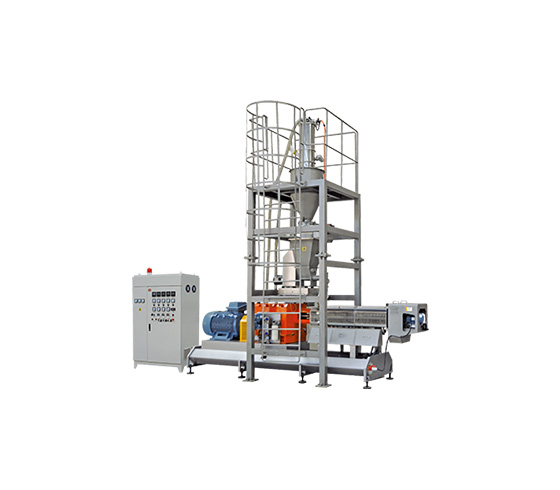
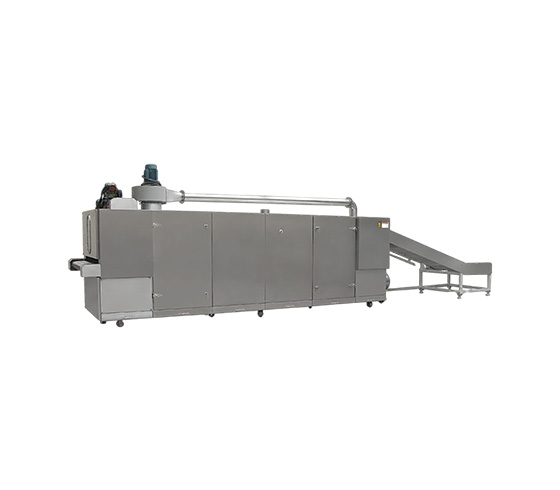
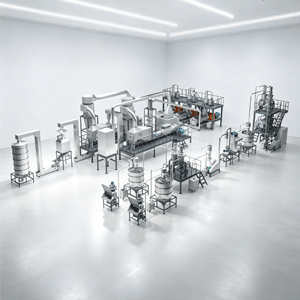
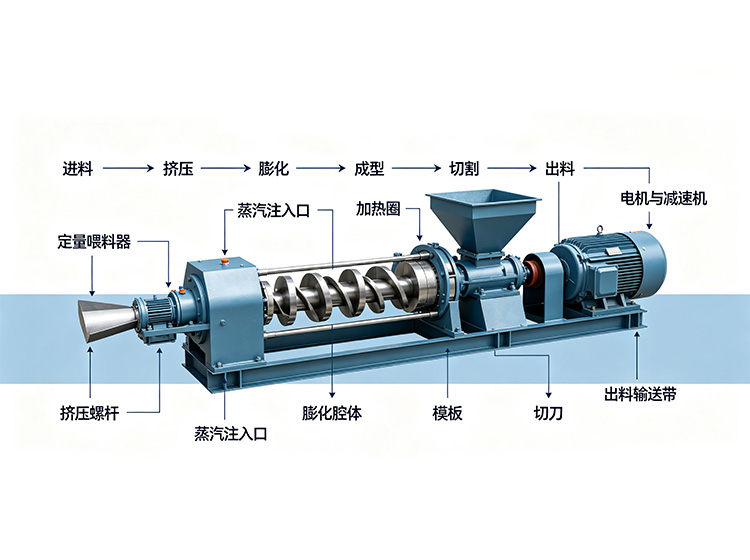
First, it is essential to clarify the product type, raw material state, formulation direction, and expected finished product requirements.For projects involving extrusion, forming, drying, frying, conveying, seasoning, or packaging, the processing capacity and cycle time of each stage must be matched to avoid discrepancies between individual equipment capacity and the overall line requirements.

Secondly, the installation plan should be evaluated in conjunction with the workshop's spatial layout and utility conditions, including power supply, water supply, steam, or gas.Equipment configuration should also take into account long-term operational factors such as cleaning, maintenance, safety protection, spare parts supply, and operator training.Any process or equipment capabilities mentioned in this document are for reference only in the context of solution discussions and preliminary assessments.Specific model numbers, power ratings, production capacities, temperatures, and times shall be subject to the formal technical proposal and the results of trial runs or on-site verification.

Frequently Asked Questions

Can the equipment be determined directly based on the standard configuration?

Not recommended.Different raw materials, product structures, target production capacities, and downstream processes can affect the equipment configuration.It is more prudent to confirm the product and process conditions before proceeding with the configuration assessment.

How to obtain more targeted advice?

It is recommended to prepare product images or sample information, raw material and formulation guidelines, target production capacity, existing workshop conditions, and planned downstream equipment configurations.Dayi Machinery can further discuss the applicable process routes and equipment configuration options based on this.

This article is compiled based on the "Preprocessing Operation of Vegetable Processing Production Line" document provided by Dayi Machinery, with the aim of helping readers understand the relevant topics.For technical requirements related to specific projects, please refer to the actual product documentation and engineering confirmation results.